Choosing a Solar Company in Lahore: A 2026 Buyer’s Guide
Picking the right solar company in Lahore is the single decision that decides whether your rooftop system quietly pays for itself for the next 25 years or turns into a maintenance headache. With electricity tariffs climbing and load-shedding still a weekly reality across Punjab, thousands of homeowners are going solar in 2026. But the market is crowded, and not every installer offers the same engineering quality, warranty support, or after-sales service. This guide walks you through exactly how to evaluate providers, what questions to ask, and how to avoid the mistakes that cost people lakhs of rupees.
Whether you are powering a small house in Johar Town or a commercial unit in the industrial estate, the fundamentals of choosing a good installer are the same. Let’s break them down.
Why Your Choice of Solar Company in Lahore Matters
A solar power system is a long-term asset. The panels themselves may last 25 to 30 years, but the quality of the wiring, mounting structure, inverter configuration, and net-metering paperwork all depend on the installer. A cheap job today often means replacement costs tomorrow.
In Lahore’s climate, systems face intense summer heat, dust storms, and occasional heavy monsoon rain. A professional installer accounts for all of this: correct tilt angles, corrosion-resistant mounting, proper cable management, and surge protection. Working with a well-established solar company in Lahore means your system is designed for local conditions rather than copied from a generic template.
What separates a good installer from a bad one?
- Load assessment: They visit your site, study your electricity bills, and size the system to your actual consumption.
- Tier-1 components: They use reputable panel and inverter brands with genuine warranties, not grey-market stock.
- Net-metering support: They handle LESCO/DISCO paperwork and grid interconnection for you.
- Transparent quotes: No hidden charges for structure, cabling, or commissioning.
Key Factors to Compare Before You Sign
Before committing, gather at least three written quotations and compare them line by line. Price alone is misleading; a lower quote often hides thinner cables, a weaker inverter, or a flimsy mounting structure. Use the table below as a scoring sheet.
| Factor | What to Look For | Red Flag |
|---|---|---|
| Experience | 5+ years, completed local projects | No verifiable portfolio |
| Panel warranty | 25-year performance warranty | Vague or verbal promises |
| Inverter brand | Established manufacturer, local service | Unknown brand, no support |
| Net metering | Handled end-to-end | “You arrange it yourself” |
| After-sales | Written service agreement | No maintenance plan |
A trustworthy provider will happily explain each component and show you the datasheets. If a salesperson dodges technical questions, treat that as a warning sign.
Verify credentials and past work
Ask for references and, if possible, visit a completed installation. Reputable installers are proud to show finished projects. You can also check that the components carry certification recognised by bodies such as the International Electrotechnical Commission, which sets global safety and performance standards for solar equipment. Genuine Tier-1 modules and inverters will list IEC certification numbers on their datasheets.
Understanding System Sizing and Cost in 2026
System size is measured in kilowatts (kW). A typical Lahore home with moderate usage needs a 5 kW to 10 kW system, while larger houses running multiple air conditioners may need 12 kW or more. Getting the size right is critical: an undersized system leaves you buying grid power, while an oversized one wastes capital.
Here is a rough guide to residential sizing based on average monthly consumption in units (kWh):
- Under 500 units/month: A 3–5 kW system usually suffices.
- 500–900 units/month: Consider a 6–8 kW system.
- 900–1,500 units/month: A 10–12 kW system is appropriate.
- Above 1,500 units/month: A 12 kW+ system, often with battery backup.
Costs vary with panel wattage, inverter type, and whether you add batteries. On-grid systems without batteries are cheapest and pay back fastest through net metering; hybrid systems cost more but keep essential loads running during outages. A knowledgeable installer will model your payback period so you know exactly when the system becomes free electricity.
Installation, Net Metering, and After-Sales Service
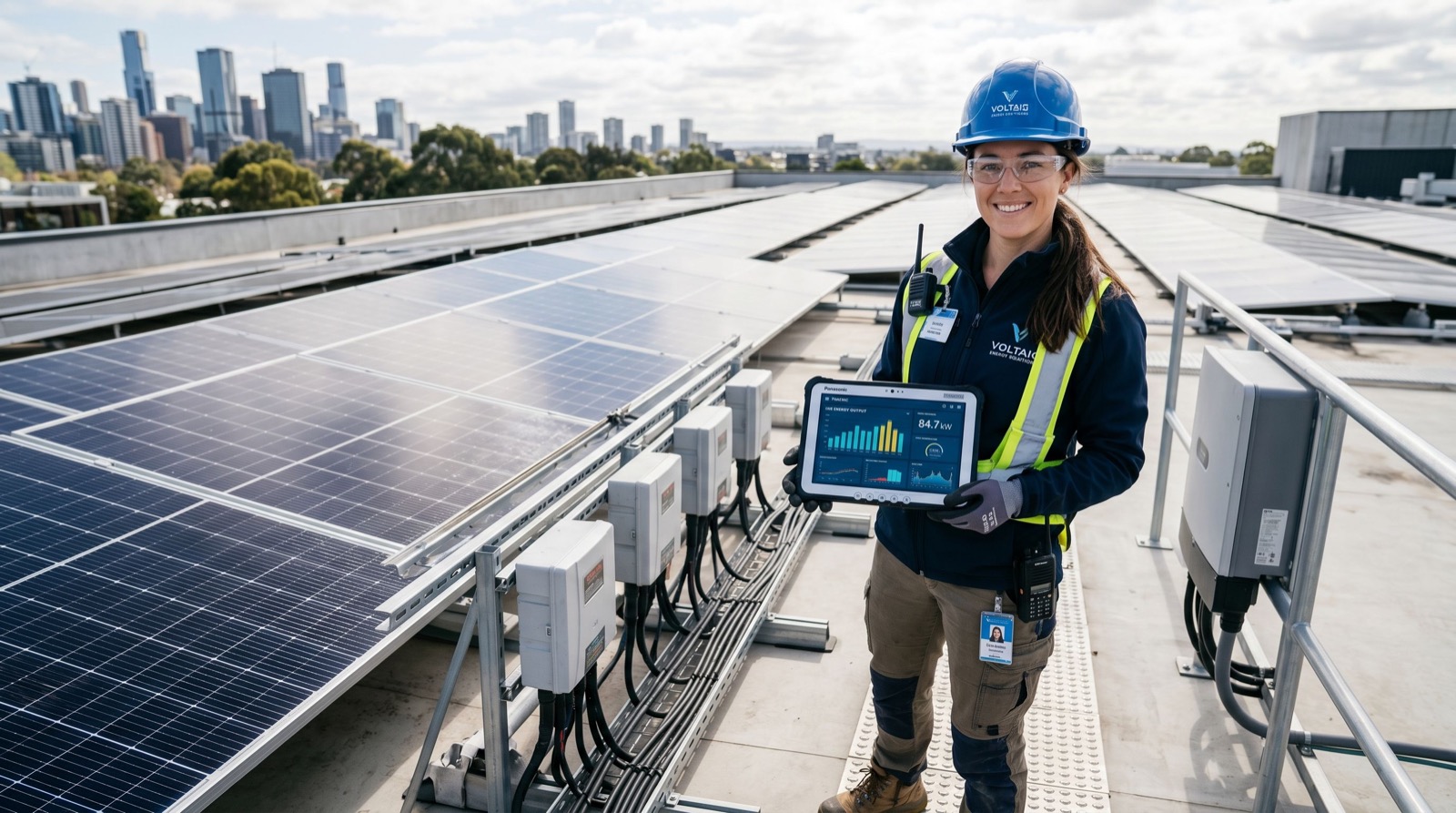
Professional installation is where quality really shows. The mounting structure must be engineered for wind loads, panels oriented for maximum sun, and DC and AC cabling sized to minimise losses. Proper earthing and surge protection guard your equipment against Pakistan’s frequent voltage fluctuations.
Net metering lets you export surplus daytime generation to the grid and draw it back at night, effectively using the grid as a free battery. The application process involves your distribution company, and a good installer manages it entirely. When comparing quotes, confirm that professional solar installation services include net-metering registration, commissioning, and a documented handover.
Why after-sales support is non-negotiable
Even the best system needs occasional cleaning, inverter firmware checks, and performance monitoring. Choose a company that offers a written maintenance schedule and responds quickly to faults. Ask how long warranty claims typically take and whether they keep spare inverters in stock. These are the reliable local experts you want on call years after installation.
Common Mistakes Lahore Buyers Should Avoid
Learning from others’ errors saves money. Here are the most frequent mistakes we see:
- Chasing the lowest price: Ultra-cheap quotes almost always cut corners on structure or cabling.
- Ignoring shade analysis: A single shaded panel can drag down an entire string’s output.
- Skipping the warranty paperwork: Verbal promises are worthless when a component fails in year six.
- Undersizing to save money: You end up paying the grid anyway and regret it within a year.
- Not planning for future load: Leave room on the inverter if you plan to add ACs or an EV charger.
Frequently Asked Questions
How do I choose the best solar company in Lahore?
Compare at least three installers on experience, component brands, warranty terms, net-metering support, and after-sales service. Prioritise a documented track record and genuine Tier-1 equipment over the cheapest quote. Always ask to see completed local projects.
How long does a solar installation take?
A residential rooftop system is usually installed in two to four days once components arrive. Net-metering approval from the distribution company can take a few additional weeks, which a good installer handles on your behalf.
Is net metering worth it in 2026?
Yes. Net metering lets you offset your night-time and cloudy-day usage with daytime exports, dramatically shortening payback. For most Lahore homes with on-grid systems, it is the single biggest driver of savings.
What warranty should I expect on solar panels?
Quality panels carry a 25-year performance warranty and a 10–12 year product warranty. Inverters typically carry 5–10 years. Get every warranty in writing and confirm the local service channel before you buy.
Final Thoughts
Going solar in 2026 is one of the smartest financial moves a Lahore household can make, but the outcome depends almost entirely on the installer you choose. Take your time, compare quotes properly, insist on Tier-1 components, and confirm that net metering and after-sales support are included. A reputable solar company in Lahore will design a system tailored to your roof, your budget, and your load, then stand behind it for decades. Do your homework now and enjoy lower bills and reliable power for years to come.